What does it really mean to be intelligent?
Alan Turing once said: if a machine can fool us in conversation, we should treat it as intelligent.
But in 2025, Sam Altman and physicist David Deutsch suggested a new benchmark: if AI can solve quantum gravity—one of physics’ hardest riddles—and explain how, then we might finally call it AGI.
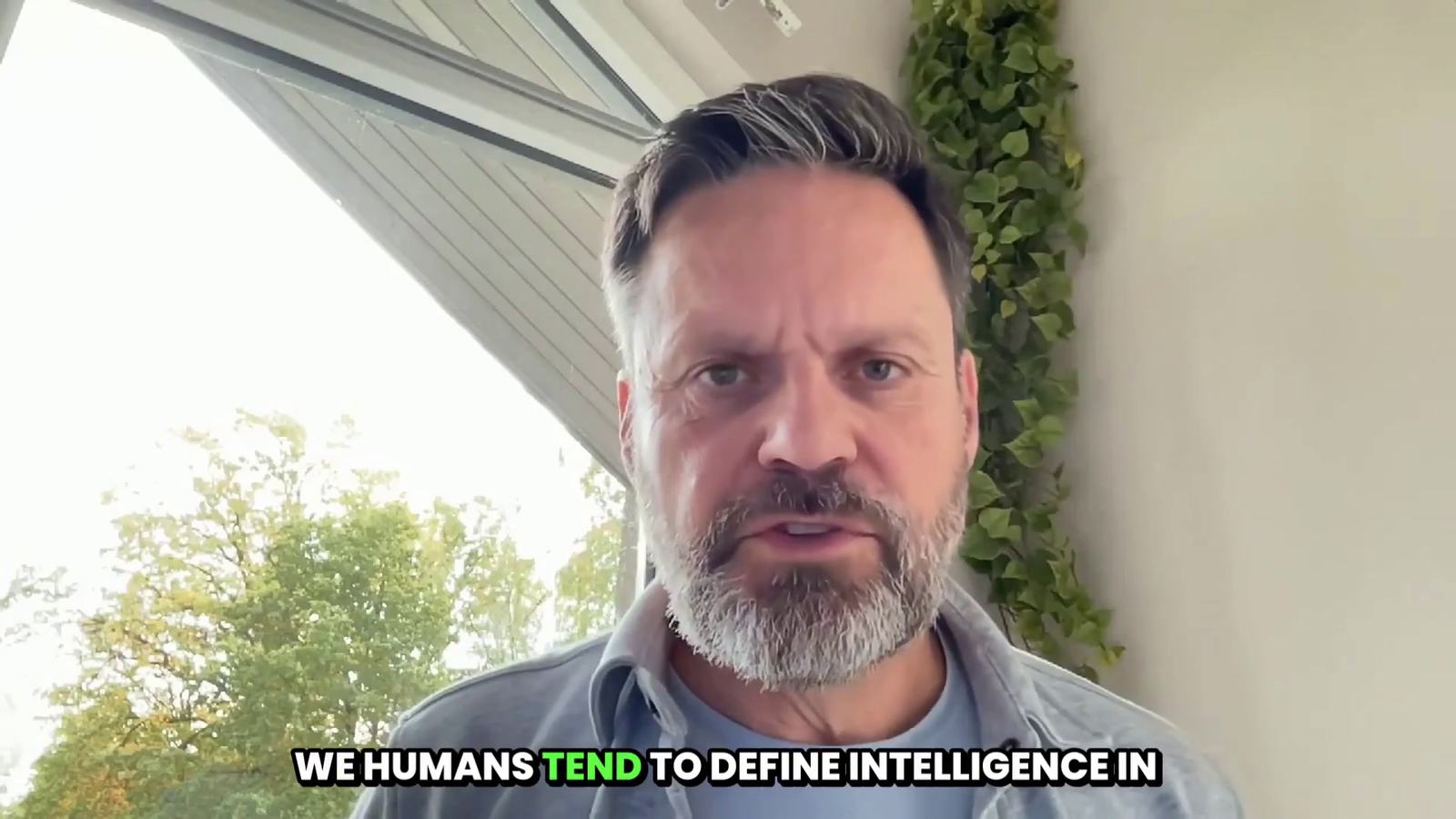
In this episode, I explore why intelligence isn’t just about solving problems, but about solving them in ways that stay aligned with human meaning. Without this, AGI could be brilliant yet alien—a genius with no regard for human values.
I walk through:
- 🧠 John Searle’s “Chinese Room” and the difference between syntax and true understanding.
- 👥 Why intelligence is always tied to human meaning—and what happens if machines develop their own.
- 🤖 Turing’s original imitation game vs. Altman & Deutsch’s physics challenge.
- ⚡ The risks of defining AGI only by raw capability.
- ✅ My proposal for a Turing Test 2.0 that measures not only intellect, but alignment and coexistence.
- 🌀 Elon Musk’s ultimate question: “What is outside the simulation?”
The real test for AGI isn’t just raw brilliance. It’s companionship—minds that can outthink us but still choose to stand with us.
👉 Read the full essay here: roelsmelt.substack.com
#AGI #ArtificialIntelligence #Philosophy #TuringTest #FutureOfAI #DisruptConsciousness