A conversation about the Power Paradox
Welcome to “Disrupt Consciousness,” the podcast where we explore the cutting-edge technological disruptions that are shaping the future of humanity. I’m your host, Jacks, and today we have a captivating discussion ahead. We’ll dive into the energy landscape of the Netherlands and uncover how embracing battery technology could not only transform the power grid but also revolutionize society as a whole.
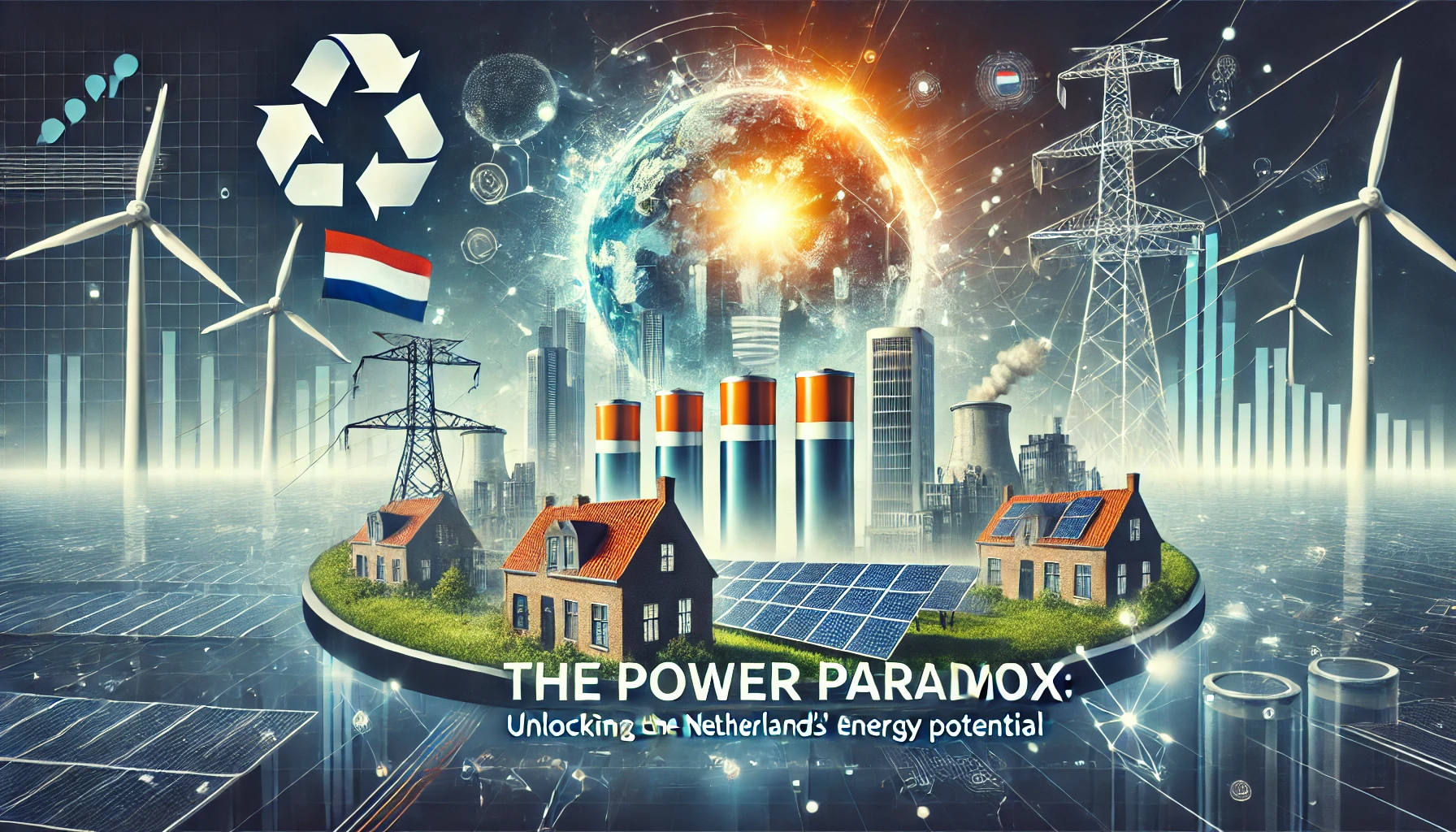
Joining us is Roel Smelt, an energy expert and author of the provocative article “The Power Paradox: How the Netherlands Is Missing Out on Energy Abundance.” Rule, welcome to the show.
Thank you, Jacks. It’s a pleasure to be here.
Roel, your article has sparked quite a conversation. You argue that the Netherlands is missing a significant opportunity by not fully embracing battery technology. Can you give us an overview of what you mean by the “power paradox”?
Certainly. The “power paradox” refers to the situation where the Netherlands has immense potential for renewable energy generation—particularly from wind and solar—but faces grid congestion and inefficiencies due to outdated policies and a lack of energy storage solutions. Despite having the resources, we’re not capitalizing on them effectively, which paradoxically limits our energy abundance.
That’s intriguing. You mention that outdated policies are a significant part of the problem. What specific policies are hindering progress?
The primary issue is the net metering policy, known locally as the salderingsregeling. This policy offers consumers a one-to-one compensation for any excess electricity they feed back into the grid. While it initially encouraged the adoption of solar panels, it inadvertently disincentivizes investment in home battery storage. Consumers have little economic incentive to store their excess energy when they can simply sell it back to the grid at favorable rates.
How does this compare to what’s happening in Germany?
Germany provides a compelling contrast. Over the years, they’ve reduced their feed-in tariffs, making it less profitable to sell excess electricity back to the grid. Instead, they’ve introduced incentives for energy storage. As a result, over one million German households have installed home batteries. This shift has alleviated grid congestion, improved energy independence for consumers, and facilitated better integration of renewable energy sources.
So, in Germany, the policy changes led to greater adoption of home batteries, which in turn benefited the grid. Could the Netherlands adopt a similar approach?
Absolutely. By restructuring our compensation schemes to encourage self-consumption and storage, we can motivate consumers to invest in batteries. This would reduce the strain on the grid, decrease the need for costly infrastructure upgrades, and promote a more resilient and flexible energy system.
Critics might say that changing these policies could discourage people from installing solar panels in the first place. Did Germany see a drop in solar adoption when they reduced their feed-in tariffs?
Interestingly, no. While there was a slight slowdown initially, solar installations in Germany have continued to grow. The key was coupling the reduction in feed-in tariffs with incentives for energy storage. People still see the value in generating their own electricity, especially when they can store and use it as needed, gaining greater energy independence and protection against rising electricity prices.
You also touch on a broader philosophy in your article—the idea that energy abundance can lead to greater prosperity and even enlightenment. Can you elaborate on that?
Certainly. Throughout history, disruptive innovations have been catalysts for societal progress. When we have abundant and affordable energy, it reduces barriers to education, healthcare, and economic opportunities. People are freed from the constraints of energy scarcity, allowing them to focus on personal growth, creativity, and contributing to societal advancement. In essence, energy abundance can unlock human potential on a grand scale.
That’s a powerful vision. But what about the practical challenges? How do we encourage the adoption of batteries on a large scale in the Netherlands?
It starts with policy reform. Phasing out the net metering system in favor of dynamic pricing models would be a significant first step. Offering subsidies or tax incentives for home battery installations can lower the financial barriers. Additionally, investing in domestic battery production and partnering with industry leaders can stimulate economic growth and create jobs, further incentivizing adoption.
Are there companies in the Netherlands or Europe that could spearhead this battery production?
Yes, companies like Alfen in the Netherlands are already making strides in energy storage solutions. Across Europe, firms like Northvolt and Saft are expanding battery production. By leveraging and supporting these companies, we can build a robust domestic industry that reduces reliance on external suppliers.
You mentioned earlier that Germany’s approach led to improved grid stability. Is there concrete evidence that the widespread adoption of home batteries has mitigated peak energy issues there?
Studies from institutions like the Fraunhofer Institute have shown that residential storage systems in Germany reduce the need for grid reinforcement by decreasing peak feed-in power. Utilities have reported fewer overloads and improved voltage stability in areas with high battery adoption. So yes, there’s solid evidence that home batteries contribute significantly to grid stability.
Some might argue that transitioning to this new model could take too long or be too disruptive. How do you respond to those concerns?
Change always comes with challenges, but the cost of inaction is far greater. The longer we rely on outdated policies and technologies, the more we hinder our progress and potential. By embracing disruption and focusing on abundance rather than scarcity, we can accelerate the transition and reap the benefits sooner.
How can individuals contribute to this shift? What steps can consumers take right now?
Consumers can start by educating themselves about the benefits of home batteries and energy storage. Even within the current policy framework, investing in a battery system can offer long-term savings and increased energy independence. Additionally, advocating for policy changes and supporting initiatives that promote renewable energy and storage can make a significant impact.
What role does public perception play in this transition, and how can we foster a culture that embraces energy innovation?
Public perception is crucial. When people understand the broader benefits—environmental, economic, and societal—they’re more likely to support and participate in the transition. Education campaigns, success stories, and community projects can help shift perceptions and build momentum. It’s about creating a shared vision of a prosperous and sustainable future.
Looking ahead, what is your vision for the Netherlands if these changes are implemented?
If we embrace these changes, the Netherlands could become a leader in sustainable energy, with a robust grid capable of handling abundant renewable sources. We’d see economic growth from new industries, reduced environmental impact, and a society empowered by energy independence. Ultimately, it would lead to greater prosperity and freedom, allowing individuals to focus on innovation, creativity, and enhancing their quality of life.
That’s an inspiring outlook. Before we wrap up, is there any final message you’d like to share with our listeners?
I’d like to emphasize that the challenges we face are opportunities in disguise. By shifting our mindset from scarcity to abundance and embracing disruptive innovations, we can unlock incredible potential. It’s not just about technology or policy—it’s about envisioning and creating the kind of future we want for ourselves and future generations.
Roel Smelt, thank you for sharing your insights and passion with us today. It’s been a thought-provoking discussion.
Thank you, Jacks. It’s been a pleasure.
And thank you to our listeners for joining us on “Disrupt Consciousness” If you found today’s episode enlightening, be sure to subscribe and share it with others who are interested in the future of humanity. Until next time, I’m Jacks, encouraging you to think abundantly and power up for a brighter future.
Disclaimer: The conclusions and insights in this podcast are from Rule Smelt. AI tools were used for research, writing the article, and synthesizing the podcast to assist in the creation process.